
Data protection involves more than keeping copies of business information. Organizations need dependable recovery arrangements when technical failures interrupt operations. Veeam supports data protection through backup and replication capabilities. However, disaster recovery covers broader operational responsibilities. Understanding these differences helps businesses protect essential workloads, establish recovery priorities, and maintain continuity during unexpected disruptions.
Backup Preserves Essential Business Information
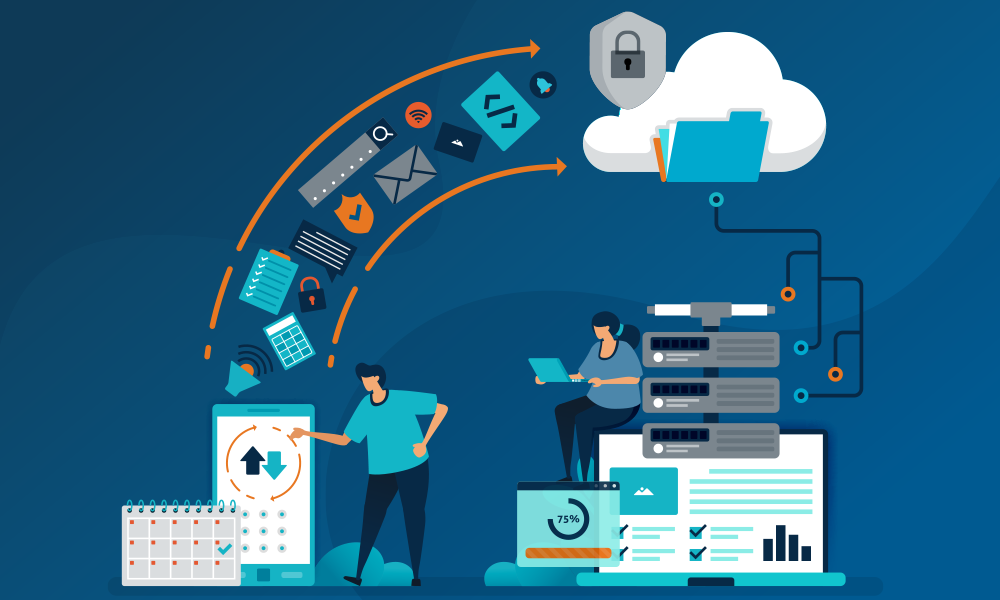
Backup creates recoverable copies of important information. Scheduled processes capture data at selected intervals. These copies support restoration after accidental deletion or corruption.
Historical versions provide additional recovery options. Separate storage also protects information against production system failures.
Replication Maintains Operational Readiness
Replication creates synchronized copies of virtual machines. A secondary environment remains available for activation during outages. This arrangement can reduce restoration delays.
Important operational advantages include:
- Secondary systems support faster workload activation.
- Frequent updates limit potential data loss.
- Alternative infrastructure reduces service interruptions.
- Failover redirects operations during infrastructure failures.
What Makes Disaster Recovery Different?
Disaster recovery covers complete operational restoration. It combines technology, procedures, responsibilities, and communication. A documented plan identifies essential recovery priorities.
For example, a business application requires database connectivity. Authentication services must also become available. Coordinated restoration prevents dependency failures during emergencies.

How Do Recovery Objectives Influence Selection?
Two measurements guide protection decisions. Recovery Time Objective (RTO) defines acceptable downtime. Recovery Point Objective (RPO) measures tolerable data loss.
An online transaction platform requires shorter recovery intervals. Archival systems can tolerate longer restoration periods. Veeam supports backup and replication capabilities for different workload requirements.
Selecting Suitable Protection Methods For Workloads
Business requirements determine the appropriate protection arrangement. Critical applications may require additional replication. Less urgent information can rely on scheduled backups.
Important selection considerations include:
- Assess application downtime costs.
- Identify acceptable data loss periods.
- Evaluate storage capacity and network limitations.
- Test restoration procedures against business requirements.
Recovery Planning Extends Beyond Technology
A replicated server cannot guarantee complete business continuity. Successful restoration also depends on application dependencies. Staff responsibilities and communication procedures remain essential.
Consider a failed database connection. An available application server cannot restore transactions independently. Documented dependencies help teams prioritize essential services.
Operational Resilience Requires Tested Recovery
A synchronized replica and historical backup serve different purposes. Neither replaces documented recovery responsibilities. Businesses should test database restoration alongside application failover. These exercises reveal overlooked dependencies before actual incidents. Ultimately, reliable recovery depends on proven procedures and coordinated decisions.